
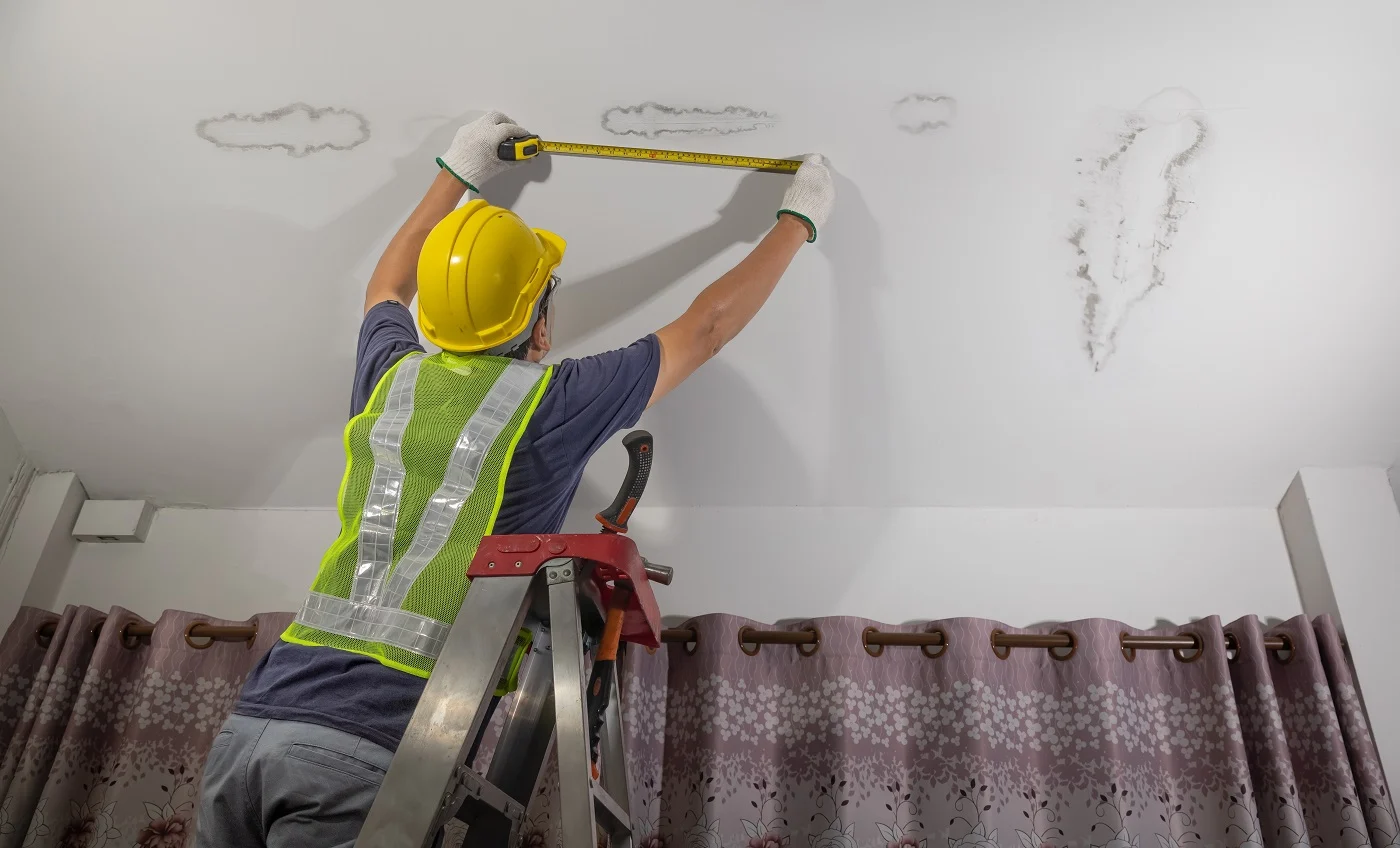

A small leak can turn into a soaked drywall nightmare in hours, and a claim headache for months. Across Texas, water damage claims hinge on details: where the water came from, how fast owners acted, and what the policy actually says. A seasoned Texas Water Damage Attorney sees the same pattern again and again: strong facts win claims, while fuzzy documentation and misunderstood exclusions invite delays or denials. This guide breaks down the essentials, causes, coverage, documentation, expert proof, and legal next steps, so homeowners and commercial property managers can move fast and protect their recovery.
Common causes of water damage in homes and commercial properties
Texas properties face a broad spectrum of water threats, from sudden plumbing failures to slow, sneaky intrusions that hide behind walls.
Frequent residential and commercial culprits
- Burst supply lines and appliance failures: A ruptured washing machine hose or ice-maker line can release hundreds of gallons in minutes. In multifamily buildings and offices, a single line break can cascade across floors.
- Roof leaks after storms: Wind-driven rain exploits lifted shingles, compromised flashing, or clogged scuppers. Flat commercial roofs, in particular, collect standing water that finds seams.
- HVAC condensate backups: Poorly maintained drain lines overflow into attics and mechanical rooms, soaking insulation and ceilings.
- Sewer backups: Municipal surges or blocked laterals push contaminated water into bathrooms and basements, often excluded unless a specific endorsement exists.
- Foundation and window infiltration: Grading issues, failed seals, or hydrostatic pressure force water inside during heavy rain events.
- Fire suppression discharges: Accidental sprinkler activations in warehouses or condos can inundate large areas.
The common thread: timing. Sudden, accidental events are typically treated differently under insurance than long-term seepage or neglect. Recognizing the cause early helps frame the claim properly.
How insurers differentiate between flood and burst-pipe incidents
Carriers draw sharp lines between perils because different policies respond to different causes.
Flood versus internal water damage
- Flood (external water): Generally defined as surface water, overflow of a river, bayou, or lake: rapid accumulation or runoff: or mudflow that inundates normally dry land. Standard homeowners and many commercial policies exclude flood unless there’s a separate NFIP or private flood policy.
- Burst-pipe/accidental discharge (internal water): Sudden, accidental release from plumbing, HVAC, fire sprinkler, or appliance systems is often covered under the base property policy, subject to terms and exclusions.
How adjusters make the call
- Source tracing: Was the water’s origin outside the structure (floodplain overflow) or inside (supply line rupture)? Plumber reports and moisture mapping are key.
- Evidence of wind-driven rain: If wind damages a roof or opening and rain intrudes, the loss may be covered under wind/hail or all-risk provisions, even if there’s street flooding elsewhere.
- Contamination indicators: Floodwater carries silt and organic debris: internal leaks typically don’t. Photos and samples can be decisive.
A Texas Water Damage Attorney will often push for a precise, documented origin story. Misclassification, labeling a burst-pipe claim as flood because there was also regional flooding, can unfairly torpedo coverage.
Steps for documenting water intrusion and property loss
Good documentation is the difference between a smooth claim and a slow grind. Think “preserve, prove, and prevent.”
1) Mitigate immediately (but safely)
- Shut off the water and electricity if needed.
- Stop the source: call a licensed plumber or restoration team quickly.
- Take reasonable steps to prevent further damage, insurers expect mitigation.
2) Capture the scene before major cleanup
- Photos and video: Wide shots and close-ups of the origin point (pipe, roof penetration), affected rooms, and water lines on walls or contents.
- Moisture readings: Ask the mitigation company for initial and daily moisture logs, thermal images, and a moisture map.
- Keep samples: Save a piece of failed pipe, a section of soaked carpet pad, or roofing materials if safe to do so.
3) Inventory damages
- Structure: Note affected materials (drywall, baseboards, insulation, subfloor, cabinets). Mark square footage.
- Contents: Create a spreadsheet with item description, age, brand/model, estimated replacement cost, and condition photos.
- Specialty items: Electronics, documents, and inventory for businesses. For restaurants or clinics, note any sanitation-related disposal.
4) Track costs and communications
- Save every invoice and receipt: emergency services, plumbers, dehumidifier rentals, temporary housing or business interruption measures.
- Maintain a claim log: dates of calls, emails, adjuster visits, and what was discussed.
5) File promptly and accurately
- Submit the claim with the who/what/when/where/how of the loss. Attach early photos.
- Ask for the adjuster’s written estimate and coverage position in writing.
These steps create a credible, time-stamped record that supports both coverage and the full value of the loss.
Policy exclusions that frequently lead to coverage disputes
Water claims often turn on fine print. Common carve-outs include:
Maintenance and neglect
- Repeated seepage or leakage: Many policies exclude water damage that occurs over 14 days or more, or otherwise “continuous or repeated.” Evidence of long-term staining can trigger arguments.
- Wear and tear or deterioration: Aging supply lines, failed grout, or rusted valves may be excluded as “cause,” though resulting sudden damage sometimes remains covered.
Specific water exclusions
- Flood and surface water: Excluded without a flood policy.
- Backups from sewers or drains: Often excluded unless you bought an endorsement.
- Hydrostatic pressure: Water forced through walls or foundation is frequently carved out.
Mold, fungi, or wet rot limits
- Many policies cap mold remediation at low sublimits unless additional coverage was purchased. Disputes arise when mold results from a covered water event and the carrier tries to apply minimal limits to broader repairs.
Matching and code upgrades
- Matching: Replacing only damaged tiles or flooring may leave visible mismatches. Policies vary on paying to achieve a uniform appearance.
- Ordinance or law: Costs to bring repairs up to current code (e.g., ventilation, elevation, sprinklers) may require an endorsement.
A careful reading matters. When a carrier denies based on an exclusion, a Texas Water Damage Attorney will analyze whether an exception to that exclusion restores coverage, such as “ensuing loss” language that covers resulting sudden damage even if the original defect is excluded.
Expert evaluations proving source and extent of damage
Objective experts turn a “he said, she said” into hard evidence.
Who to involve, and why
- Licensed plumbers/leak detection: Pinpoint origin, provide failure analysis, and preserve failed components.
- IICRC-certified restoration firms: Perform moisture mapping, set drying goals, and produce daily logs that verify progress and remaining wet areas.
- Roofing specialists: Document wind uplift, torn membranes, and compromised flashing versus age-related wear.
- Industrial hygienists: Assess contamination, mold spore counts, and clearance testing to validate remediation.
- Forensic engineers or building envelope consultants: Distinguish storm-created openings from pre-existing defects and opine on scope.
The deliverables that move claims
- Written reports with photos, thermal images, and moisture readings.
- Material testing or lab results where relevant.
- Xactimate or line-item estimates tied to industry standards.
Insurers rely on documentation. Well-supported expert files often shift a carrier from dispute to settlement.
Legal options for appealing denied or undervalued claims
When polite back-and-forth stalls, Texas policyholders still have leverage.
Internal and contractual paths
- Reinspection and supplemental claim: Submit competing estimates, expert reports, and a detailed rebuttal to the adjuster’s scope.
- Appraisal: Many policies allow a neutral appraisal process to resolve pricing/scope disputes. Each side picks an appraiser: an umpire breaks ties. It’s not for pure coverage denials but can correct undervaluation.
Regulatory and alternative dispute routes
- Texas Department of Insurance (TDI) complaint: Useful for chronic delays or poor communication. It won’t set your claim value but can prompt action.
- Mediation: Some carriers will mediate complex losses, especially commercial claims.
Litigation avenues
- Breach of contract: For failure to pay covered benefits.
- Statutory bad faith (Texas Insurance Code Chapter 541): For unfair or deceptive claim practices.
- Prompt Payment of Claims Act (Chapter 542): For undue delays, can trigger attorney’s fees and statutory interest penalties.
Deadlines are crucial. Some policies shorten limitations periods, and evidence goes stale fast. Engaging a Texas Water Damage Attorney early can prevent missteps and position the file for resolution, whether through appraisal, settlement, or suit. The Omar Ochoa Law Firm regularly reviews coverage positions, coordinates experts, and pursues recovery when carriers underpay or deny legitimate water losses.