

Florida consumers walk into retail stores assuming they are entering safe, well-maintained environments. The law expects the same. Yet every year, thousands of shoppers suffer preventable slip and fall injuries inside Florida’s retail establishments due to spills, poor maintenance practices, or overlooked hazards. These incidents can leave victims facing medical bills, lost income, and long-term physical limitations. Understanding how Florida premises liability law protects consumers is essential, especially because retail chains and their insurers often act quickly to deny responsibility. Firms like Chalik and Chalik, which represent injured individuals exclusively, help level the playing field by ensuring that consumers are not pushed aside by corporate defense strategies.
Florida’s legal framework for slip and fall cases is built on the principle that businesses open to the public must maintain their premises in a reasonably safe condition. When they fail to meet this obligation, they may be held liable for resulting injuries. However, the burden of proof rests heavily on the consumer. Under Florida Statutes §768.0755, a victim must show that the business had actual or constructive knowledge of the dangerous condition. Actual knowledge may seem straightforward—such as when an employee directly observes a spill—but constructive knowledge is where most cases are won or lost. It requires showing that the hazard existed long enough that the store should have discovered it or occurred frequently enough to be predictable.
This emphasis on constructive knowledge is particularly important in busy retail settings. Recurring hazards are common: leaking coolers, tracked-in rainwater, fallen products, and spills from customers who never report them. Florida courts routinely examine whether stores had proper inspection procedures in place and whether these procedures were actually followed. Consumers may be surprised to learn how often inspection logs appear neat and consistent on paper but fail to reflect the real conditions on the floor. Discussions surrounding Walmart slip and fall liability highlight how inspection routines, staffing levels, and hazard response times frequently come under scrutiny.
One of the greatest challenges consumers face after a slip and fall injury is the way retailers and insurers handle incident investigations. Many stores move quickly to document the scene in a way that favors their defense. Employees may clean the spill before a photo is taken, rush through incident reports, or fail to preserve surveillance footage unless prompted by the injured person. This is why consumer awareness is crucial. A victim who manages to take photos, get witness names, or request that the store preserve video footage may significantly strengthen their case. Even so, many injured consumers are too overwhelmed, embarrassed, or physically hurt to think clearly at the moment of the fall.
Insurance companies often take advantage of this vulnerability. They may call the injured consumer within days—sometimes within hours—seeking recorded statements that can later be used to dispute liability. They may argue that the victim was distracted, clumsy, or wearing inappropriate footwear. These arguments are common, and they serve one purpose: reducing payouts. Reviewing broader analyses of Florida slip and fall protections, such as those found in statewide overviews of Florida slip and fall rights, helps illustrate how insurers frequently attempt to shift blame onto the consumer, even when the retailer clearly failed in its safety duties.
Lighting, flooring choices, store layout, and merchandise placement all contribute to customer safety. Glossy tile, dim corners, obstructed aisles, and poorly anchored mats are common sources of accidents. Yet many consumers do not realize that Florida law considers these factors when evaluating premises liability. A business cannot excuse negligence simply by claiming an accident was unforeseeable. If a store knows a particular area is hazardous due to recurring spills or heavy foot traffic, it must take reasonable steps to correct the danger. This may include increasing inspections, adding non-slip flooring, placing additional warning signs, or redesigning the layout to reduce risks.
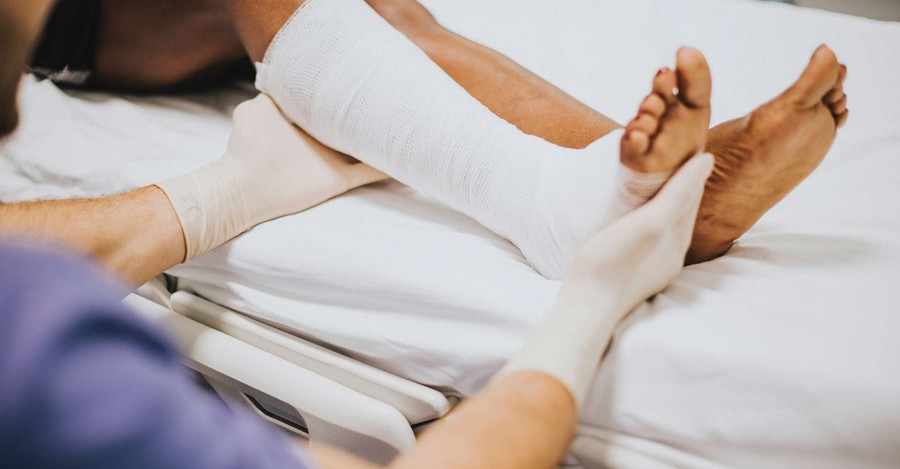
When a consumer is injured, the aftermath can be frustrating. Medical bills begin accumulating. Time off work may become necessary. Pain may linger long after the fall, affecting mobility, sleep, or the ability to perform everyday activities. These consequences are real, and Florida law allows victims to pursue compensation for them. But the legal process can be intimidating, especially when large retail corporations push back aggressively. This is where legal representation becomes not only helpful but often essential. Attorneys such as Chalik and Chalik, who focus solely on representing injured individuals, step in to protect consumer rights, gather evidence, communicate with insurers, and ensure that victims are not pressured into unfair settlements.
Ultimately, Florida’s consumer protection principles extend into its premises liability laws for a reason. When businesses profit from public foot traffic, they accept the responsibility of keeping their premises safe. When they fail in this duty, consumers should not bear the financial and physical costs alone. Education is a powerful tool, and knowing how the law evaluates these cases empowers victims to act confidently. With the right guidance, injured consumers can challenge negligent businesses, demand accountability, and pursue the compensation they deserve. Chalik and Chalik continue to stand alongside these individuals, advocating for their rights and helping them navigate the complexities of Florida slip and fall law with clarity and strength.
Those looking for effective ways to resolve conflicts may want to view Tulsa mediation services to better understand available options. Mediation offers a cooperative approach where a neutral professional helps guide discussions and negotiations, allowing parties to reach fair agreements while avoiding the time, expense, and stress often associated with court proceedings.


