
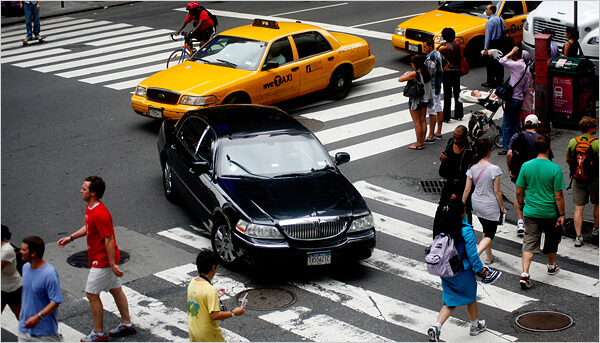
Pedestrian accidents can have devastating consequences due to the vulnerability of people on foot compared to motor vehicles. Even low-speed collisions can result in broken bones, head injuries, spinal cord damage, or permanent disability. In New York, pedestrians who are injured due to the negligence of drivers or unsafe conditions have the right to pursue compensation for medical expenses, lost wages, pain and suffering, and long-term rehabilitation. Understanding your legal rights and the process for filing a claim is critical for ensuring proper recovery and protecting your financial future.
This guide explains how pedestrian accident claims work in New York, common causes of these accidents, steps to take after a collision, types of compensation available, and the importance of legal representation.
Pedestrian Accident Liability in New York
In New York, drivers have a duty to exercise reasonable care to avoid harming pedestrians. Pedestrian accident claims are typically based on negligence, meaning that the driver or another party failed to act responsibly, resulting in injury. New York follows a comparative negligence system, which means:
- Pedestrians can recover damages even if they share some responsibility for the accident
- Compensation is reduced in proportion to the pedestrian’s degree of fault
Potentially liable parties include:
- Drivers: Drivers failing to yield at crosswalks, running red lights, or driving distracted or impaired
- Property Owners: Unsafe sidewalks, poorly maintained walkways, or inadequate lighting may contribute to accidents
- Government Entities: Defective traffic signals or dangerous intersections can also be a factor
Identifying the responsible party is crucial for pursuing full compensation.
Common Causes of Pedestrian Accidents
Pedestrian accidents often result from preventable situations. Common causes include:
1. Distracted Driving
- Cell phone use, GPS navigation, or other distractions
- Drivers failing to pay attention to crosswalks or pedestrian signals
2. Speeding
- Higher speeds reduce reaction time and increase the severity of injuries
- Makes it more difficult for drivers to stop in time for pedestrians
3. Failure to Yield
- Drivers not yielding at marked or unmarked crosswalks
- Ignoring pedestrian right-of-way laws
4. Poor Road or Sidewalk Conditions
- Broken pavement, potholes, or uneven sidewalks
- Poorly lit streets, construction hazards, or obstructed crosswalks
5. Impaired Driving
- Alcohol or drug impairment significantly increases the risk of collisions
- Both motorist and pedestrian impairment can be factors
6. Weather Conditions
- Rain, ice, or snow reduces traction and visibility
- Slippery sidewalks and roads can contribute to falls or collisions
Immediate Steps After a Pedestrian Accident
Taking prompt and appropriate action after an accident is essential for safety and for preserving legal rights:
1. Seek Medical Attention
- Even minor injuries should be evaluated by a healthcare professional
- Document all treatments, including hospital visits, medications, and follow-ups
2. Contact Law Enforcement
- Call 911 to report the accident
- Request an official police report, which is vital for insurance claims and legal proceedings
3. Document the Scene
- Take photographs of the location, crosswalks, traffic signs, road conditions, and any vehicles involved
- Record the time, date, and weather conditions
4. Collect Witness Information
- Obtain names and contact information for anyone who witnessed the accident
- Eyewitness statements help corroborate your version of events
5. Preserve Evidence
- Retain damaged personal items or clothing that demonstrate impact
- Keep records of medical bills, lost wages, and other expenses
6. Avoid Statements to Insurance Companies Without Legal Advice
- Insurance adjusters may attempt to minimize your claim
- Consult an attorney before providing statements or signing documents
Types of Compensation Available
Pedestrian accident victims in New York may be entitled to several types of compensation, depending on the severity of the injuries and the degree of liability:
Economic Damages
- Medical expenses, including emergency care, surgery, therapy, and rehabilitation
- Lost wages and diminished earning capacity
- Costs associated with long-term care or home modifications
- Replacement of damaged personal property
Non-Economic Damages
- Pain and suffering
- Emotional distress and anxiety related to the accident
- Loss of enjoyment of life and inability to participate in normal activities
- Permanent scarring or disfigurement
Punitive Damages
- In rare cases where gross negligence or recklessness is proven, such as DUI accidents, courts may award punitive damages to punish the at-fault party and deter similar conduct
Why Legal Representation Matters
Pedestrian accident claims can be complicated, particularly when multiple parties or insurance companies are involved. An experienced attorney can:
- Investigate the accident thoroughly and gather critical evidence
- Identify all liable parties, including drivers, property owners, or government entities
- Negotiate with insurance companies to maximize compensation
- Represent victims in court if necessary
- Ensure long-term medical costs and future losses are considered
Having professional legal guidance ensures that pedestrian accident victims are not pressured into inadequate settlements and that their legal rights are fully protected.
Pedestrians seeking expert legal assistance can contact Warner & Scheuerman for comprehensive representation and personalized guidance throughout the claims process.
Final Thoughts
Pedestrian accidents can have life-altering consequences, including severe injuries, emotional trauma, and financial hardship. Acting quickly—seeking medical care, reporting the incident, documenting evidence, and consulting an experienced attorney—is essential for protecting your rights and maximizing compensation.
New York law provides avenues for victims to hold negligent drivers, property owners, or other responsible parties accountable. With professional legal support, pedestrian accident victims can focus on recovery while ensuring fair compensation for medical expenses, lost wages, pain and suffering, and long-term care.

You may also like
-
THE INVISIBLE DANGER: WHY PROPERTY OWNERS ARE ACCOUNTABLE IN ROSEVILLE
-
468 Rule Effective Date Guide: How to Prepare in Advance
-
A Comprehensive Guide to Workplace Retaliation and Legal Protection with a San Diego Workplace Retaliation Lawyer
-
Top Traffic Violations in Poughkeepsie and How to Avoid Them
-
Navigating Probate Procedures with a Livermore Probate Lawyer