
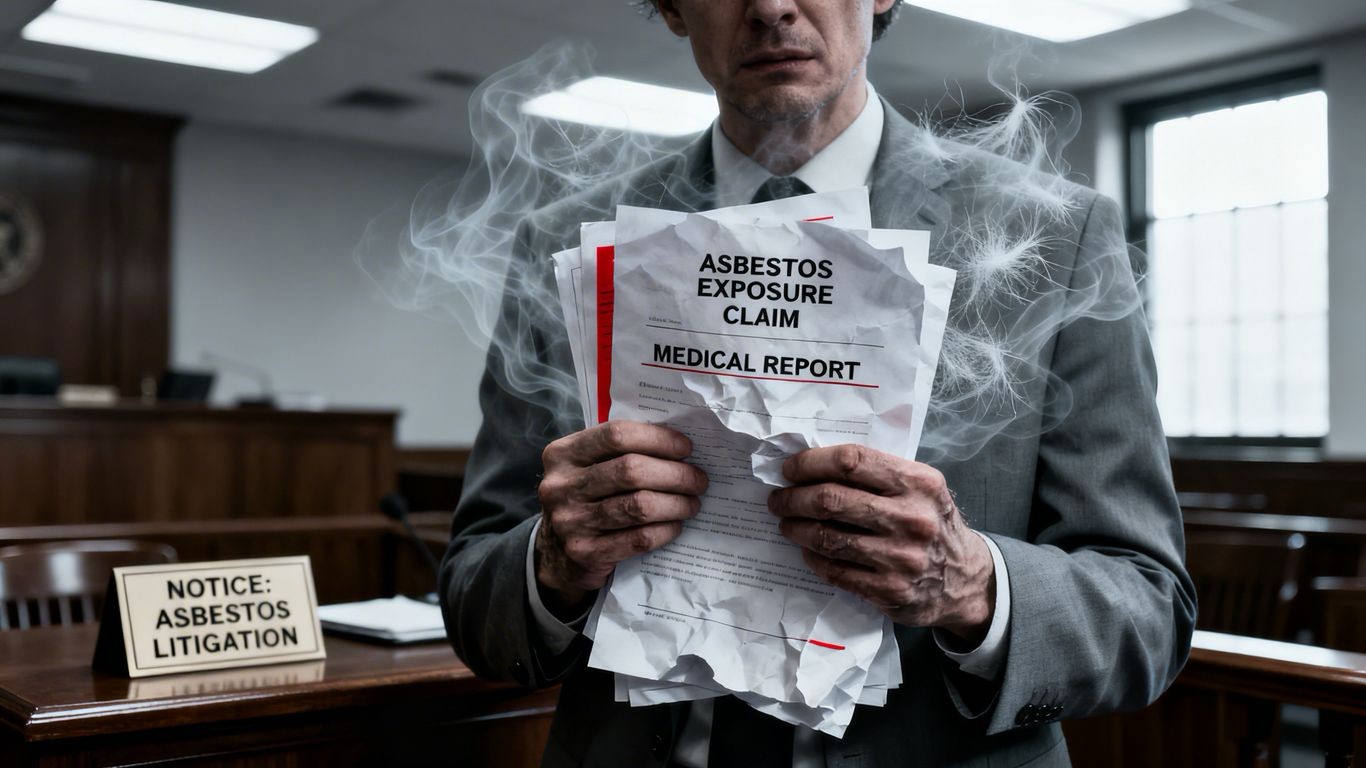

Documenting Asbestos Exposure History
To even consider filing a lawsuit for asbestos-related illness, you first need to show that you were actually exposed to asbestos. This isn’t always as straightforward as it sounds, especially if the exposure happened many years ago. Think about where you worked, lived, or even served in the military. Were there materials that might have contained asbestos? This could include things like insulation in older buildings, brake pads in cars, or even certain types of flooring and ceiling tiles. The key is to gather as much evidence as possible linking you to these materials. This might involve digging up old employment records, talking to former coworkers who might remember the conditions, or looking at company records if they still exist. Even if you didn’t work directly with asbestos, you might have been exposed indirectly. For example, if a family member worked in an industry where asbestos was common, they could have brought fibers home on their clothes. This is known as secondary exposure, and it can also be grounds for a claim.
Confirming A Diagnosis Linked To Asbestos
Simply being exposed to asbestos isn’t enough; you also need a medical diagnosis that can be directly linked to that exposure. The most common illnesses associated with asbestos include mesothelioma, lung cancer, and asbestosis. It’s important to have official medical documentation, such as pathology reports, biopsy results, and imaging studies like CT scans or X-rays. These documents help confirm the diagnosis and show the extent of the illness. Doctors will often look at your medical history alongside your exposure history to establish the connection. It’s important to note that even if you have other health issues, like a history of smoking, this doesn’t automatically disqualify you. Asbestos is recognized as a carcinogen on its own, and its role in causing illness can still be a basis for a lawsuit.
Addressing Common Misconceptions About Qualification
There are a few common misunderstandings that prevent people from exploring their legal options. One big one is the belief that if you’re a smoker, you can’t file a claim. While smoking can increase the risk of lung cancer, asbestos exposure is also a significant independent cause. Many people who smoked and were exposed to asbestos have successfully filed lawsuits. Another misconception is that if you’ve lost old employment or medical records, your case is over. This isn’t true. Attorneys experienced in asbestos cases know how to find alternative evidence. This can include:
- Testimony from former coworkers.
- Records from unions or industry associations.
- Lists of asbestos-containing products used by specific companies.
- Military service records.
Don’t assume you don’t qualify. The legal landscape for asbestos claims is designed to be flexible, recognizing the long latency period between exposure and illness and the difficulties in obtaining old records.
Navigating Deadlines For Filing A Lawsuit For Asbestos Exposure
Knowing when you can actually file a lawsuit for asbestos exposure is as important as having the facts to back your claim. Missing the deadline often means you lose your chance, no matter how solid your case looks. Understanding each rule is key to not letting your claim slip away.
State-Specific Statute Of Limitations
Every state gives you a different window to file. Some give as little as one year, while others might offer up to three. This timeframe usually starts from the date you received a diagnosis, not when exposure happened decades ago. A few examples for 2026:
- California gives people just 1 year from diagnosis.
- Texas allows 2 years, but has made some rules stricter.
- New York sticks with 3 years and uses an updated online system.
Statutes of limitation might change, so it pays to check your state’s current law or talk to a lawyer who keeps up with these updates.
The Discovery Rule In Asbestos Claims
The “discovery rule” can work in your favor, especially since asbestos diseases take ages to surface. This rule means the timer starts counting down only once you know (or should have reasonably known) that your illness is asbestos-related, not the actual time of exposure. Here’s how it tends to help:
- People don’t lose out because their exposure happened years—or even decades—ago.
- The diagnosis date matters most, not the exposure date.
- You still have to act quickly once you’re diagnosed.
If you have symptoms but haven’t been given a diagnosis yet, keep detailed medical records; they’ll matter later.
Trust Fund Deadlines Versus Statutory Deadlines
If the company responsible for your exposure has gone bankrupt, you might file through an asbestos trust fund instead of a lawsuit. Here are some key differences:
- Trust fund deadlines are set up independently, so they don’t always match state court deadlines.
- Even if you’ve missed the state’s statute of limitations, you may still qualify to file with a trust fund.
- Each trust fund has its own deadline and claim process—some are strict, some are more flexible.
Before assuming you’ve run out of options, it’s worth talking to a lawyer or legal clinic familiar with asbestos trust fund claims. Filing deadlines might seem complicated, but figuring them out can make sure your claim isn’t left behind.
Essential Documentation For Your Asbestos Exposure Lawsuit
Gathering the right paperwork is a big part of starting a lawsuit for asbestos exposure. It’s like building a case, piece by piece. You’ll need to show that you were exposed to asbestos and that this exposure led to your illness. This might sound like a lot, but lawyers who handle these cases are used to helping people find what they need.
Gathering Medical Records And Diagnosis Proof
Your medical history is really important here. Doctors’ notes, test results, and any reports about your diagnosis are key. This documentation helps show the connection between your illness and asbestos. Think about:
- Pathology reports: These confirm the specific type of cancer or lung disease you have.
- Imaging results: Things like CT scans, X-rays, or MRIs that show the extent of the illness.
- Treatment records: Notes from doctors about the treatments you’ve received and their opinions on the cause of your condition.
Even if you have other health issues, like a history of smoking, medical records can still show that asbestos exposure played a role in your diagnosis. It’s all about proving that the asbestos exposure contributed to your current health problems.
Collecting Employment And Military Service Records
Where you worked and for how long can be very telling. Records from past jobs, especially those in industries known for asbestos use, are vital. This includes:
- Pay stubs or W-2 forms: These show your employment history and dates.
- Union records: If you were part of a union, they might have records of your work and the conditions you faced.
- Military service records (like a DD214): If you served in the military, these documents can detail your assignments and potential exposure sites.
Sometimes, companies go out of business or records get lost over time. In these situations, lawyers can often use other methods to establish your work history and exposure, like talking to former coworkers.
Securing Evidence Of Exposure And Witness Testimony
Beyond your own records, other evidence can support your claim. This might involve:
- Company documents: Old product manuals, safety data sheets, or internal memos that mention asbestos use.
- Coworker statements: Testimony from people who worked with you and can confirm the presence and use of asbestos materials.
- Family or friend accounts: If family members were exposed to asbestos fibers brought home on clothing, their testimony can be important too.
The more evidence you can gather, the stronger your case will likely be. It paints a clearer picture of how and where the exposure happened, which is a critical part of proving your claim.
The Legal Process Of Filing A Lawsuit For Asbestos Exposure
Filing a lawsuit for asbestos exposure involves several distinct stages. It’s a process that requires careful attention to detail and adherence to legal procedures. While it might seem complicated, understanding these steps can make the journey more manageable.
Initial Consultation and Case Assessment
The first step for anyone considering a lawsuit is to consult with an attorney experienced in asbestos litigation. During this meeting, the lawyer will review the details of your situation, including your diagnosis and history of potential exposure. They will assess the strength of your case, explain your legal options, and discuss the potential for compensation. This is also an opportunity for you to ask questions and get a clear picture of what to expect. Many law firms offer a free initial consultation, making it easier to get started.
Filing the Claim and Discovery Phase
Once an attorney agrees to take your case, they will prepare and file the necessary legal documents to initiate the lawsuit. This typically involves filing a complaint that outlines the facts of your exposure and the resulting illness. Following the filing, the discovery phase begins. This is a period where both sides gather evidence. Attorneys may request medical records, employment histories, and other relevant documents. They might also conduct depositions, which are sworn interviews with witnesses, including yourself, former colleagues, or medical professionals. This phase is critical for building a strong foundation for your claim.
Settlement Negotiations Versus Trial Proceedings
Many asbestos exposure lawsuits are resolved through settlement negotiations. Your legal team will work to reach a fair agreement with the responsible parties or their insurers. They will present evidence of your damages, including medical costs, lost wages, and pain and suffering, to advocate for appropriate compensation. If a settlement cannot be reached, the case may proceed to trial. At trial, your attorney will present your case before a judge or jury, arguing for a verdict in your favor. While trials can be lengthy, they offer the possibility of a larger award if successful. It’s important to remember that individuals diagnosed with asbestos-related illnesses in Canada may also be eligible for compensation through similar legal avenues.
Addressing Challenges In Filing An Asbestos Exposure Lawsuit
Filing a lawsuit for asbestos exposure can present several hurdles, but understanding these potential difficulties is the first step toward overcoming them. Many individuals worry about whether they can still pursue a claim if the company responsible for their exposure is no longer in business or if their records are incomplete. Fortunately, legal avenues often exist even in these complex situations.
When the Responsible Company Is Bankrupt
It is a common concern that a company’s bankruptcy might prevent victims from receiving compensation. However, this is frequently not the case. When companies with significant asbestos liabilities file for bankruptcy, they are often required by the court to set up trust funds. These trusts are specifically designed to compensate individuals who have been harmed by the company’s asbestos products. An experienced attorney can help identify which trusts are relevant to your case and file claims against them. These trust fund claims operate separately from traditional lawsuits and have their own deadlines, which may still be open even if the company itself is defunct.
Identifying Exposure Sources Without Clear Records
Another significant challenge can be pinpointing the exact source and timing of asbestos exposure, especially when decades have passed and employment records are lost or incomplete. It’s important to remember that you do not need perfect documentation to file a claim. Legal professionals specializing in asbestos cases are skilled at reconstructing exposure histories. They can achieve this through several methods:
- Interviewing former colleagues and witnesses: People who worked alongside you may recall specific job sites, products used, or working conditions.
- Reviewing employment and military records: Even if some records are missing, others might provide clues about your work history and potential exposure periods.
- Investigating company and product histories: Attorneys can research which companies manufactured or used asbestos-containing materials during the years you were employed or lived in certain areas.
The key is to establish a probable link between your asbestos exposure and your illness, even if the exact details are difficult to recall or document.
The Role of Legal Counsel in Complex Cases
Given the complexities involved, particularly with bankrupt companies and incomplete records, securing qualified legal representation is highly advisable. Attorneys experienced in asbestos litigation understand the intricacies of these cases. They know how to navigate bankruptcy trusts, track down evidence, and build a strong case to counter defense arguments. Their knowledge of state laws, statutes of limitations, and the discovery rule can help ensure your claim is filed correctly and within any applicable deadlines, maximizing your chances of receiving fair compensation.
Potential Compensation For Asbestos Exposure
When pursuing a lawsuit for asbestos exposure, understanding the potential compensation available is a primary concern. The financial recovery can vary significantly based on several factors, including the severity of the illness, the duration and intensity of exposure, and the specific legal avenues pursued. Compensation aims to cover medical expenses, lost wages, and other damages resulting from asbestos-related diseases.
Average Settlement Ranges And Verdicts
While every case is unique, historical data provides some insight into potential financial outcomes. Settlements and jury verdicts in asbestos cases can be substantial, reflecting the serious nature of these illnesses. For instance, asbestos claim settlements often fall within the range of $1 million to $2 million. Jury awards have sometimes been considerably higher, with notable verdicts reaching several million dollars. It’s important to remember that these figures represent a spectrum, and actual outcomes depend on the specifics of each claim. For individuals diagnosed with lung cancer due to asbestos, average settlements might range from $100,000 to $400,000, though some cases can exceed this average settlement range.
Compensation For Various Asbestos-Related Illnesses
The type of illness diagnosed directly impacts the compensation sought. Mesothelioma, a rare and aggressive cancer directly linked to asbestos, often results in higher compensation amounts due to its severity and poor prognosis. Other conditions, such as asbestosis (a lung scarring disease) or asbestos-related lung cancer, also qualify for compensation, though the amounts may differ. The goal is to account for the full impact of the illness, which can include:
- Medical bills, both past and future
- Lost income and earning potential
- Pain and suffering
- Loss of enjoyment of life
- Costs associated with disability
Factors Influencing Compensation Amounts
Several elements play a role in determining the final compensation awarded. These include the individual’s age and overall health at the time of diagnosis, the extent and duration of their asbestos exposure, and the strength of the evidence presented. For example, individuals with a longer history of direct occupational exposure, such as those in construction or shipbuilding, may receive different compensation than those with secondary exposure. The ability to clearly link the illness to specific asbestos products or companies is also a significant factor. Furthermore, the legal strategy employed, whether aiming for a settlement or proceeding to trial, can influence the outcome. Veterans, for instance, may have multiple avenues for compensation, including VA disability claims and claims against manufacturers.
Reference Links
- Mesotheliomahope.com
- Guide to Mesothelioma
- Cleveland Clinic
- Centers for Disease Control
- Mayo Clinic
- Mesotheliomahub.com
- Lanier Law Firm
- Mesothelioma Law Center
- Gori Law Group