
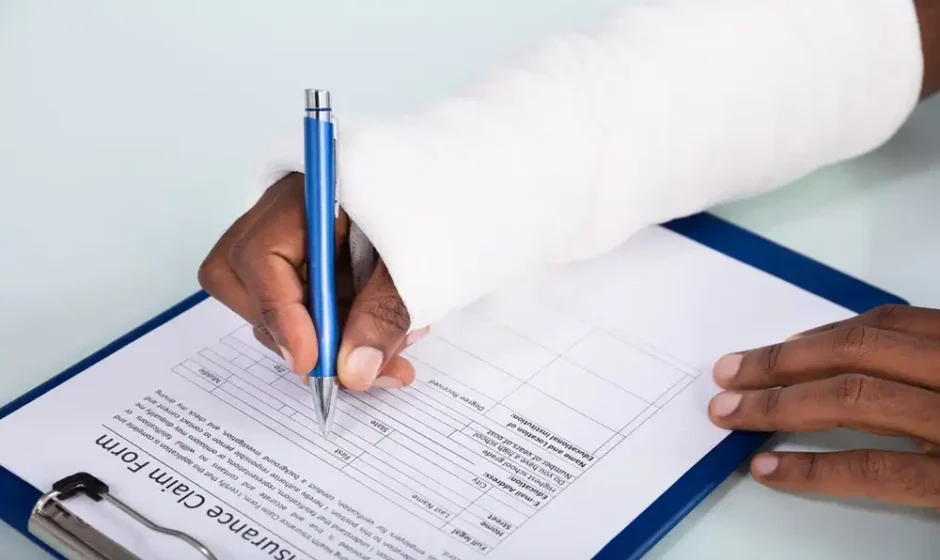

Omaha Work Injury Lawyer guidance on workplace accidents, workers’ compensation, legal claims, benefits, and steps to protect your rights.
What happens when a workplace accident leaves you injured, unable to work, and unsure what to do next? An Omaha work injury lawyer can help you understand your rights, handle workers’ compensation issues, gather evidence, and pursue benefits after a job-related injury.
A workplace accident can turn an ordinary day into a stressful situation. You may face medical bills, lost wages, and questions about your future. A lawyer can explain your legal options and help protect your interests while you focus on recovery. 🛠️
🏢 Understand Your Workers’ Compensation Rights
Nebraska workers’ compensation laws may provide benefits for employees injured while performing job duties. These benefits can help cover medical care and certain lost wages. However, the claims process can become confusing when an employer or insurance company questions the injury.
An attorney can review the circumstances surrounding your accident. They can explain what benefits may apply to your situation. This may include medical treatment, temporary disability benefits, permanent disability benefits, or vocational rehabilitation.
The value of legal guidance becomes clearer when complications arise. A workplace injury does not always end with a simple claim form. ⚖️
⚖️ Omaha Work Injury Lawyer: When Legal Help Matters
Omaha Work Injury Lawyer services can help injured employees understand the claims process and available legal options. Welsh & Welsh’s work injury attorneys can assist with workplace injury matters involving disputed benefits, serious injuries, and other legal concerns. Early legal guidance may also help you avoid mistakes that could affect your claim.
You should consider speaking with an attorney if:
- Your workers’ compensation claim was denied.
- Your employer disputes how the accident happened.
- Your benefits were delayed or stopped.
- Your injury requires extensive treatment.
- You may have a permanent disability.
- A third party may have caused the accident.
📝 Help Document The Workplace Accident
Strong documentation can make an important difference after an accident. Write down what happened while the details remain fresh in your mind. Include the date, time, location, people involved, equipment used, and events leading to the injury.
You should also keep copies of relevant documents. These may include medical records, accident reports, wage information, and communications with your employer or insurer.
| Important Record | Why It Matters | Helpful Action |
| Accident report | Documents the incident | Request a copy |
| Medical records | Shows your injury | Keep all records |
| Pay records | Supports wage-loss claims | Save recent statements |
| Witness details | Supports your account | Record names and contacts |
Photos can also help preserve evidence. 📸 Take pictures of hazardous conditions, damaged equipment, or visible injuries when appropriate.
🩺 Connect Your Injury To Medical Treatment
Medical treatment is a major part of many workplace injury claims. After an accident, follow the appropriate medical process and clearly explain how the injury occurred. Tell your healthcare provider about symptoms, limitations, and changes in your condition.
Do not ignore symptoms simply because an injury seems minor. Some workplace injuries become more serious over time. Conditions involving the back, joints, nerves, or head may require continuing care.
An attorney can help you understand how medical evidence affects your claim. Consistent medical records can help demonstrate the nature and extent of an injury.
💰 Pursue Available Wage-Loss Benefits
A serious workplace injury can affect more than your physical health. Missing work can quickly create financial pressure for your household. Workers’ compensation may provide certain wage-loss benefits when an employee cannot work because of a job-related injury.
The amount and type of benefits depend on the circumstances. Your work status, earnings, medical restrictions, and disability may all matter.
A lawyer can review the information used to calculate your benefits. They can also help address disputes involving work restrictions or payments.
🚧 Handle Denied Or Delayed Claims
Not every workplace injury claim moves smoothly. An insurance company may deny a claim or dispute whether an injury is connected to employment. Benefits can also become complicated when medical opinions differ.
When this happens, an attorney can examine the reason for the dispute. They may gather supporting records and present evidence relevant to your claim. Acting promptly can be important because legal deadlines may apply.
Common problems include:
- A claim is denied.
- Medical treatment is disputed.
- Wage benefits are delayed.
- Disability status is challenged.
- Benefits are reduced or stopped.
👷 Investigate Third-Party Injury Claims
Workers’ compensation may not always be the only potential legal issue. Sometimes a person or company other than the employer contributes to a workplace accident. For example, a defective product, negligent contractor, or dangerous property condition may play a role.
A third-party claim can involve different legal rules from a workers’ compensation claim. This distinction can be important when determining available remedies.
| Potential Cause | Example | Legal Issue |
| Equipment problem | Defective machine | Product liability |
| Contractor conduct | Unsafe work area | Third-party negligence |
| Property condition | Dangerous premises | Premises liability |
| Vehicle accident | Crash during work | Potential third-party claim |
An attorney can investigate who may have contributed to the accident. That investigation may uncover legal options that are not obvious at first.
🧾 Deal With Insurance Companies
Insurance companies handle workplace injury claims regularly. Injured workers may not have the same experience with claim procedures, documentation, or negotiations. This difference can make professional guidance useful.
A lawyer can communicate with insurers on your behalf. They can review documents and help you understand what you are being asked to sign.
Before accepting a settlement, understand what it covers. A settlement can affect future benefits and medical expenses, depending on the circumstances. ⚠️
🏛️ Prepare For A Workers’ Compensation Dispute
Some disputes require formal legal proceedings. If your claim cannot be resolved through ordinary communication, your attorney can explain the next steps. They can help prepare evidence, medical records, employment documents, and legal arguments.
Preparation often starts well before a hearing. Your attorney may identify witnesses and review relevant medical evidence. They can also explain what to expect during the legal process.
| Dispute Stage | What May Happen | Your Role |
| Claim review | Records are examined | Provide accurate information |
| Dispute | Benefits are challenged | Follow legal guidance |
| Evidence gathering | Records and testimony are collected | Assist with documentation |
| Hearing | Arguments and evidence are presented | Attend when required |
Being organized can reduce unnecessary stress. Keep your attorney informed about major changes in your medical condition or employment.
⏰ Avoid Common Mistakes After An Accident
The period immediately after an injury can be overwhelming. Still, certain mistakes may create problems later. Knowing what to avoid can help preserve important evidence and information.
Try to avoid these common mistakes:
- Delaying medical attention without a good reason.
- Giving inaccurate information about the accident.
- Ignoring medical restrictions.
- Posting about your injury on social media.
- Throwing away accident-related documents.
- Accepting documents without understanding them.
- Waiting too long to seek legal advice.
Instead, keep detailed records and communicate honestly. Small details can become important when a claim is disputed.
📋 Know What To Bring To A Lawyer
Your first legal consultation can be more productive when you bring relevant information. You do not need to have every document before asking for help. However, organized records can help an attorney understand your situation faster.
Consider bringing:
- Your employer’s information.
- A copy of the accident report.
- Medical records and bills.
- Insurance correspondence.
- Recent wage information.
- Names of witnesses.
- Photographs of the accident scene.
- Information about your job duties.
Also write down questions before the meeting. 🗂️ This can help you remember important concerns during the conversation.
🔍 Understand What Happens After You Hire A Lawyer
After reviewing your case, an attorney can explain the available legal paths. They may investigate the accident, communicate with insurers, collect evidence, and address disputes. The exact process depends on your injury and the circumstances surrounding the accident.
Your lawyer may also help evaluate settlement discussions. They can explain the potential benefits and risks of different options. You should understand your choices before making major decisions about your claim.
Good communication matters throughout the case. Tell your attorney about new medical treatment, changes at work, or new information about the accident.
🛡️ Protect Your Rights After A Workplace Accident
A workplace injury can affect your health, income, and ability to work. Getting medical care and reporting the accident are important early steps. Keeping detailed records can also make it easier to explain what happened.
Legal guidance can become especially valuable when a claim is denied, benefits are disputed, or another party may be responsible. An Omaha work injury lawyer can help you understand the process and evaluate your options. The sooner you understand those options, the better prepared you can be for the decisions ahead.
Conclusion: Take Practical Steps After An Injury
A workplace accident can leave you facing medical treatment, missed work, and uncertainty about your future. Start by reporting the accident, seeking appropriate medical care, and preserving important records. Then consider whether legal guidance is appropriate for your situation.
An experienced attorney can help explain workers’ compensation benefits and address disputes with insurers. They can also investigate whether another party may have legal responsibility. Most importantly, do not ignore deadlines or important changes in your medical or work status. 🛠️
FAQs
Can I Sue After A Workplace Accident?
Workers’ compensation may provide benefits without requiring you to prove employer negligence. Separate claims may sometimes exist against third parties. The facts of your accident determine which legal options may apply.
How Does A Work Injury Lawyer Help?
A lawyer can review your accident and explain your legal options. They may help with evidence, benefit disputes, and insurance communications. They can also help you understand settlement decisions.
What If Workers’ Compensation Denies Me?
You may have options for challenging a denied workers’ compensation claim. An attorney can review the denial and supporting evidence. Legal deadlines may apply, so avoid unnecessary delays.
What Should I Do After A Job Injury?
Report the injury through the appropriate workplace process and seek medical attention. Keep copies of accident reports, medical records, and wage information. Avoid making inaccurate statements about what happened.
Can I Get Benefits For Lost Wages?
Eligible injured workers may receive certain wage-loss benefits under workers’ compensation. The amount can depend on factors such as earnings and work restrictions. Your specific circumstances determine which benefits may be available.